

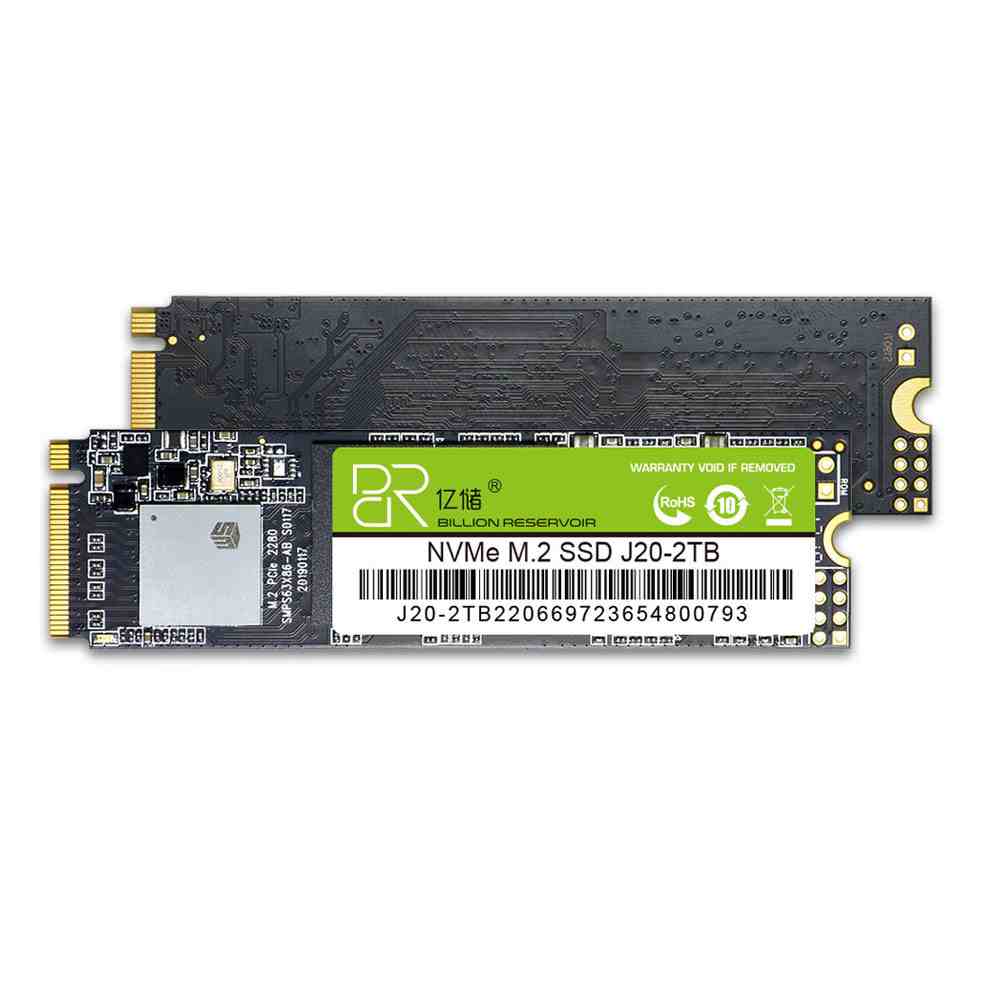
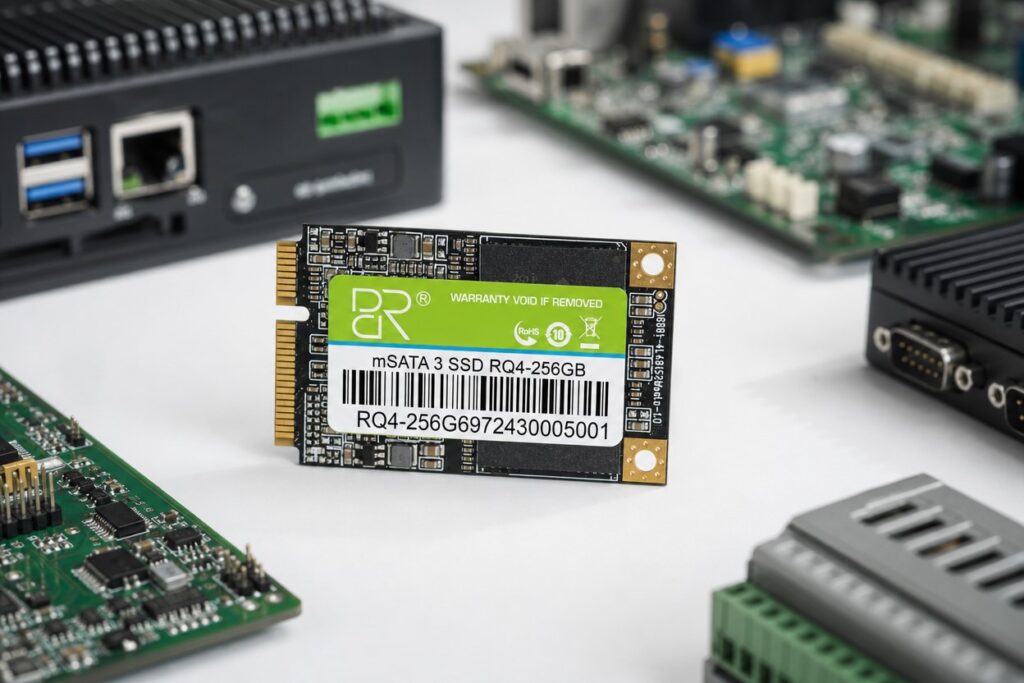
Storage devices play an important role in modern electronic systems. Although consumer SSDs and industrial storage products may appear similar, they are designed for completely different operating environments. Consumer drives are usually optimized for personal computers, where users expect fast performance, low cost, and regular replacement cycles. However, embedded systems often require long-term stability, consistent operation, and reliable performance under continuous workloads. An embedded system SSD is specifically developed to meet the demanding requirements of embedded devices, industrial equipment, and compact computing platforms. Unlike consumer drives that focus mainly on speed and everyday usage, embedded storage solutions must consider factors such as endurance, temperature tolerance, power efficiency, and system compatibility. Billion develops storage solutions designed for reliable embedded applications. The RQ4 mSATA SSD combines a compact form factor with stable performance, making it suitable for devices that require efficient storage in limited spaces.
Why Embedded Storage Needs Higher Engineering Considerations
Embedded systems are often deployed in environments where maintenance is difficult or impossible. For example, industrial controllers, automation equipment, medical devices, and smart terminals may operate continuously for years. Therefore, storage reliability becomes a critical factor. Consumer SSDs are generally designed for shorter usage cycles with workloads such as file storage, gaming, and office applications. In contrast, embedded storage requires carefully optimized engineering standards to ensure stable operation over extended periods.
Key engineering considerations include:
- Long-Term Reliability: Embedded devices often operate continuously, requiring storage components that can maintain performance over time.
- Stable Data Access: Consistent read and write performance is important for applications that rely on real-time data processing.
- Compact Design Requirements: Many embedded devices have limited internal space, requiring smaller storage solutions.
- Power Efficiency: Low power consumption helps improve overall system performance and device lifespan.
- Environmental Adaptability: Embedded storage may need to support different temperature and operating conditions.
As a result, selecting the correct storage solution is essential for maintaining the stability of embedded systems.
Performance Differences Between Embedded And Consumer SSDs
While both storage types use similar flash technologies, their optimization goals are different. Consumer SSDs usually prioritize maximum benchmark speeds, while embedded SSDs focus on balanced performance, reliability, and compatibility. The RQ4 mSATA SSD uses a compact mSATA design with a SATA III 6Gb/s interface, providing efficient data transfer for space-limited applications. Furthermore, it supports optional 3D TLC or QLC NAND Flash, allowing manufacturers to select suitable storage configurations based on application requirements.
| Feature | Embedded SSD Requirements | Consumer SSD Characteristics |
|---|---|---|
| Usage Environment | Continuous operation in embedded devices | Personal computers and daily applications |
| Design Priority | Stability and long service life | High speed and cost efficiency |
| Form Factor | Compact designs for limited spaces | Standard consumer sizes |
| Workload | Industrial and specialized tasks | General user activities |
| Optimization | Reliability and system compatibility | Performance benchmarks |
The comparison above shows why embedded storage requires different engineering approaches compared with standard consumer products.
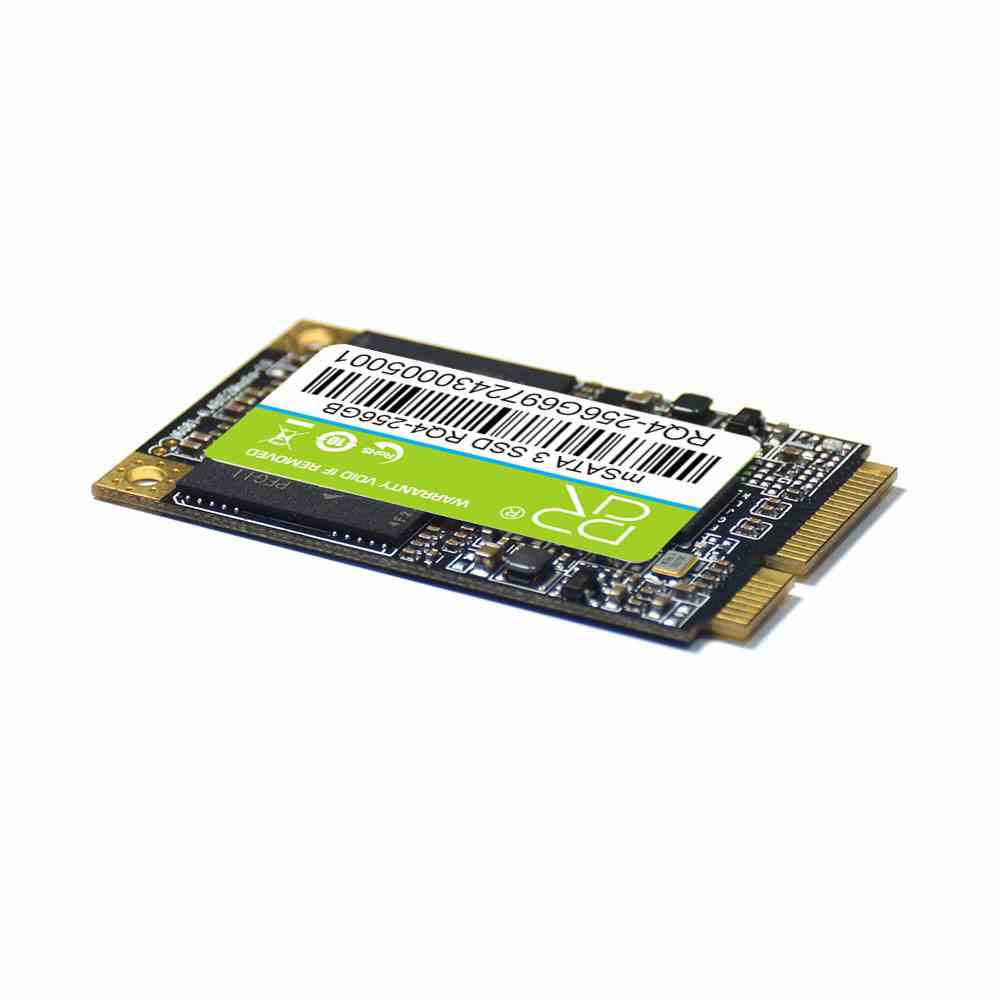
Compact Design For Modern Embedded Applications
Space limitations are common in embedded systems. Therefore, storage components must provide reliable performance without increasing device size. The mSATA form factor offers an effective solution by delivering high-speed storage capability in a compact structure. Moreover, the small design allows easier integration into ultrabooks, industrial computers, and other compact electronic devices. This makes the RQ4 mSATA SSD a suitable choice for manufacturers developing products where size and efficiency are important considerations.
The Role Of Flash Selection In Storage Reliability
Another important difference between embedded and consumer storage is flash memory selection. NAND Flash technology directly affects endurance, performance consistency, and product lifespan. The RQ4 mSATA SSD supports optional 3D TLC and QLC NAND Flash options, allowing system designers to choose the appropriate balance between capacity, performance, and cost. Additionally, proper flash selection helps manufacturers create storage solutions that better match specific application requirements. Therefore, embedded storage design is not only about increasing capacity or speed. Instead, it requires a complete engineering approach that considers the entire system environment.
Supporting Reliable Embedded Solutions With Billion
As embedded technologies continue to expand, industries require storage products that can provide dependable performance throughout the product lifecycle. From industrial equipment to compact computing devices, storage reliability directly affects overall system quality. Billion focuses on providing storage solutions that support modern embedded applications with stable operation and flexible configurations. The RQ4 mSATA SSD combines compact size, SATA III high-speed performance, and reliable NAND Flash options to meet various embedded system requirements.
In conclusion, an embedded system SSD requires different engineering standards because embedded applications demand more than simple storage speed. Long-term stability, compact design, power efficiency, and consistent performance are essential factors that distinguish embedded storage from consumer drives. By choosing a storage solution designed for embedded environments, manufacturers can improve system reliability and create more durable electronic products.