

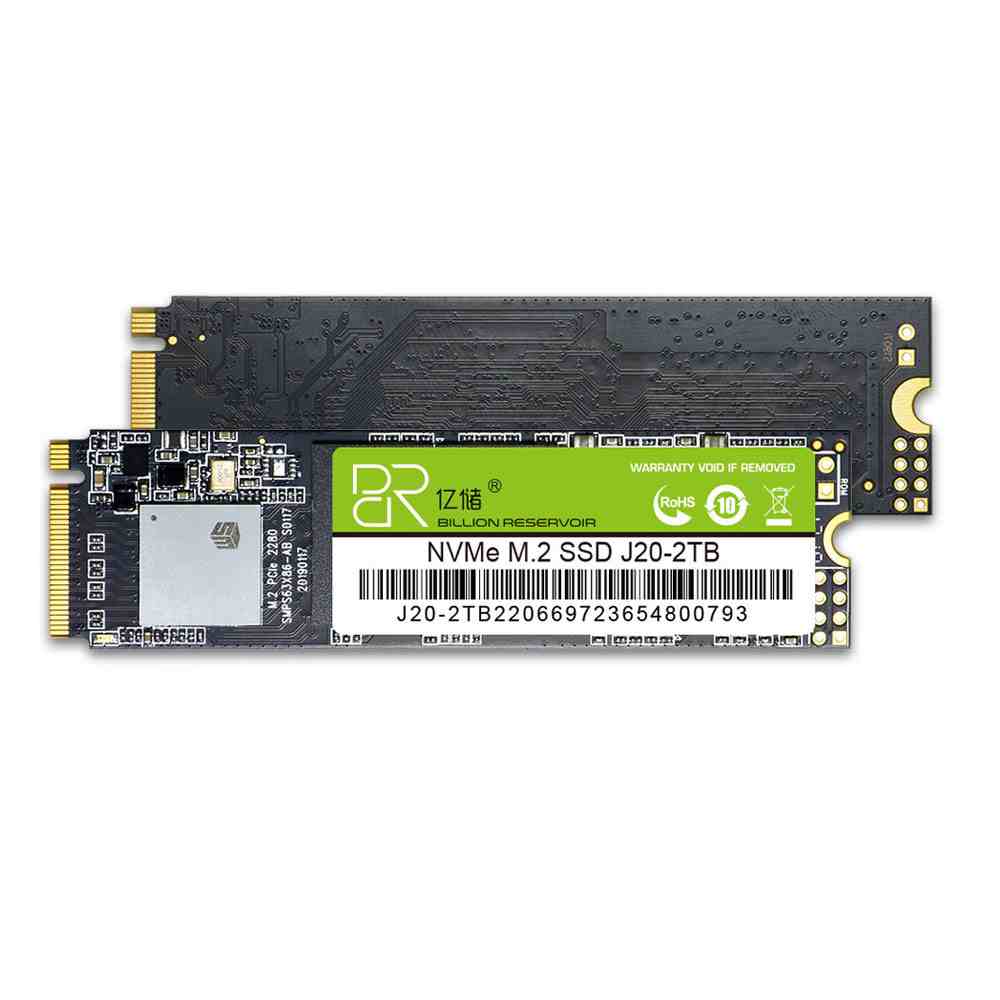
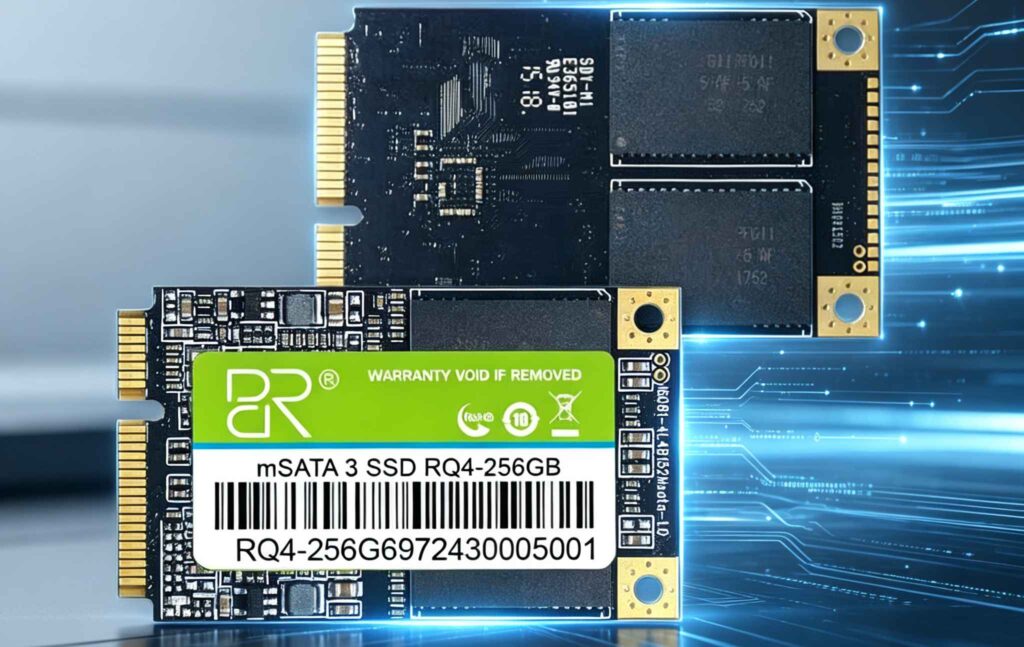
As electronic devices continue becoming smaller and more intelligent, storage solutions must adapt to increasingly limited installation spaces. Embedded systems are widely used in industrial equipment, medical devices, automation systems, and compact computing platforms, where every millimeter of internal space is valuable. Therefore, storage components need to provide reliable performance while maintaining a compact structure. A mSATA SSD for embedded systems offers an effective solution by combining small size, high-speed data transmission, and stable storage performance. Compared with traditional storage devices, mSATA SSDs provide greater flexibility for space-constrained designs while maintaining the speed required for modern applications. Billionre develops reliable storage products that help engineers create efficient and durable embedded solutions.
Compact Design Supports Space-Limited Applications
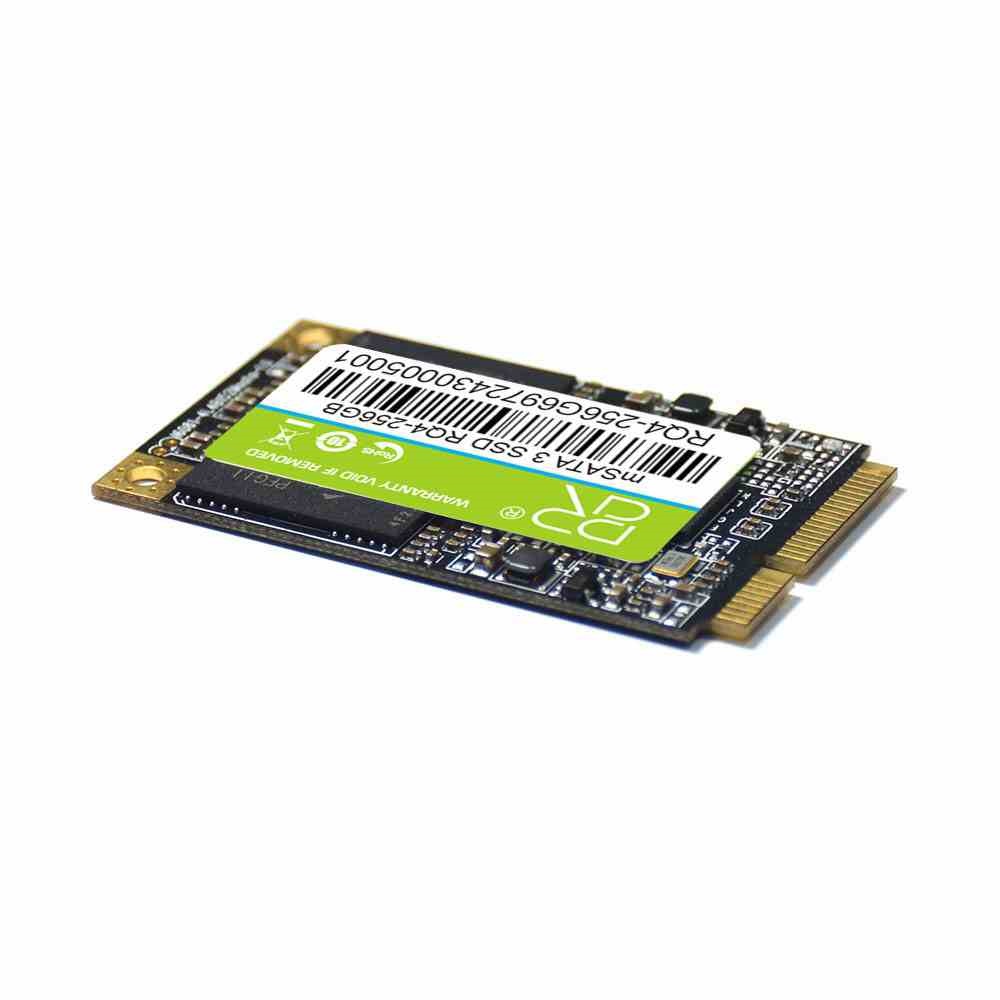
Embedded systems often require multiple components to fit into a limited enclosure. Traditional storage devices may occupy more space and restrict overall product design flexibility. Therefore, compact storage technologies have become increasingly important for modern electronic applications. The small form factor of an mSATA SSD allows manufacturers to integrate storage into devices where internal space is restricted. A mSATA SSD for embedded systems provides a lightweight and efficient storage option without compromising performance. Furthermore, the compact design helps engineers optimize internal layouts and improve product portability. Whether used in industrial controllers, mini computers, or specialized equipment, mSATA SSD solutions provide greater design freedom for manufacturers.
High-Speed SATA III Interface Improves Data Efficiency
Storage speed directly affects the responsiveness and processing capability of embedded devices. As embedded applications become more complex, they require faster data access and reliable communication between storage and system components. The RQ4 mSATA SSD features a SATA III 6Gb/s high-speed interface, enabling efficient data transfer and improved system performance. This allows embedded devices to handle applications that require quick loading, stable operation, and consistent data processing. Additionally, the SATA III interface provides compatibility with various embedded platforms, making the SSD suitable for different engineering requirements. As a result, manufacturers can achieve a balance between performance, reliability, and integration convenience.
Reliable Storage Performance for Continuous Operation
Embedded systems are often designed for long-term operation in industrial and commercial environments. Therefore, storage devices must provide consistent performance and dependable data management over extended periods. The mSATA SSD for embedded systems is designed with stable performance and reliable operation in mind. By using advanced NAND Flash technology options, including 3D TLC and QLC NAND, the SSD can support different application requirements and capacity demands.
Moreover, solid-state storage eliminates mechanical moving parts found in traditional hard drives. This structure improves durability and reduces the risk of mechanical failure caused by vibration or frequent operation. Consequently, embedded systems can achieve better stability and longer service life.
Flexible NAND Flash Options Meet Different Requirements
Different embedded applications have different requirements for speed, endurance, and storage capacity. Therefore, selecting suitable memory technology is an important consideration during product development. The RQ4 mSATA SSD provides optional 3D TLC and QLC NAND Flash configurations, allowing customers to choose suitable solutions based on their project needs. These options provide flexibility for applications ranging from compact industrial devices to portable computing systems. In addition, customizable storage solutions help manufacturers optimize product costs while maintaining required performance levels. This makes mSATA SSD technology a practical choice for various embedded applications.
Ideal Storage Solution for Embedded Devices and Ultrabooks
The demand for smaller and smarter electronic products continues to increase. Embedded systems require storage devices that can deliver reliable performance without increasing product size. A mSATA SSD for embedded systems is suitable for industrial computers, automation equipment, medical devices, and ultrabooks that require compact yet powerful storage solutions. Its combination of small dimensions, fast interface performance, and stable operation makes it a valuable component for modern electronic designs. Furthermore, the compact structure helps simplify system integration and provides manufacturers with more options when developing next-generation products.
Supporting Advanced Embedded System Development
As technology advances, embedded devices are becoming more powerful while maintaining smaller footprints. Storage components must continue improving to support these evolving requirements. Billionre focuses on providing high-quality SSD solutions that combine performance, reliability, and flexible design options. Through advanced storage technology and strict quality control, the company supports customers in developing efficient embedded systems. The RQ4 mSATA SSD delivers a practical balance between size and performance, helping engineers overcome space limitations while achieving reliable storage capability.
Conclusion
In conclusion, compact storage plays an important role in modern embedded system design. Small form factor SSD solutions provide the flexibility needed for applications where installation space is limited but performance requirements remain high. With its compact mSATA design, SATA III high-speed interface, and reliable NAND Flash options, the mSATA SSD for embedded systems provides an efficient storage solution for industrial and commercial applications. Through dependable technology from Billionre, manufacturers can build smaller, smarter, and more reliable electronic products.